24/7 Rapid rEsponse
long beach + surrounding areas
Hidden Moisture in Long Beach, CA
Thorough removal of standing and absorbed water from your Long Beach property, including the hidden moisture trapped in carpet, cabinets, and building materials.
IICRC CERTIFIED TECHNICIANS
FAMILY OWNED
24/7 EMERGENCY RESPONSE
DIRECT INSURANCE BILLING
Tell Us What Happend
Fill out our form and a real person from our Long Beach dispatch will call you back inside the hour. If your situation is active right now,
calling (562) 313-6900 directly is faster a certified crew can be on the way the same call. Either path gets you the same documented response.
ABOUT Water removal
Complete Water Removal for Long Beach Homes and Businesses
Water removal is about getting every drop out, not just the water you can see. After a leak or flood, water pools on the surface but also soaks into carpet padding, cabinet bases, baseboards, and building materials, where it hides and causes damage long after the floor looks clear. What's Next Emergency Response provides complete water removal across Long Beach, pairing fast Emergency Water Extraction of standing water with the detection and removal of absorbed moisture. Water removal is a key phase of our full Water Damage Restoration service. This page focuses on removing water completely, both the visible and the hidden.
Standing Water Waits for Nothing.
Standing Water Waits for Nothing.
what's included
What Our Long Beach Water Removal Covers
Complete water removal means finding and clearing water wherever it went. Here is what our Long Beach crews do.
Standing Water Extraction
We remove pooled surface water fast with extractors and pumps, the urgent first step before water spreads deeper.
Hidden Moisture Detection
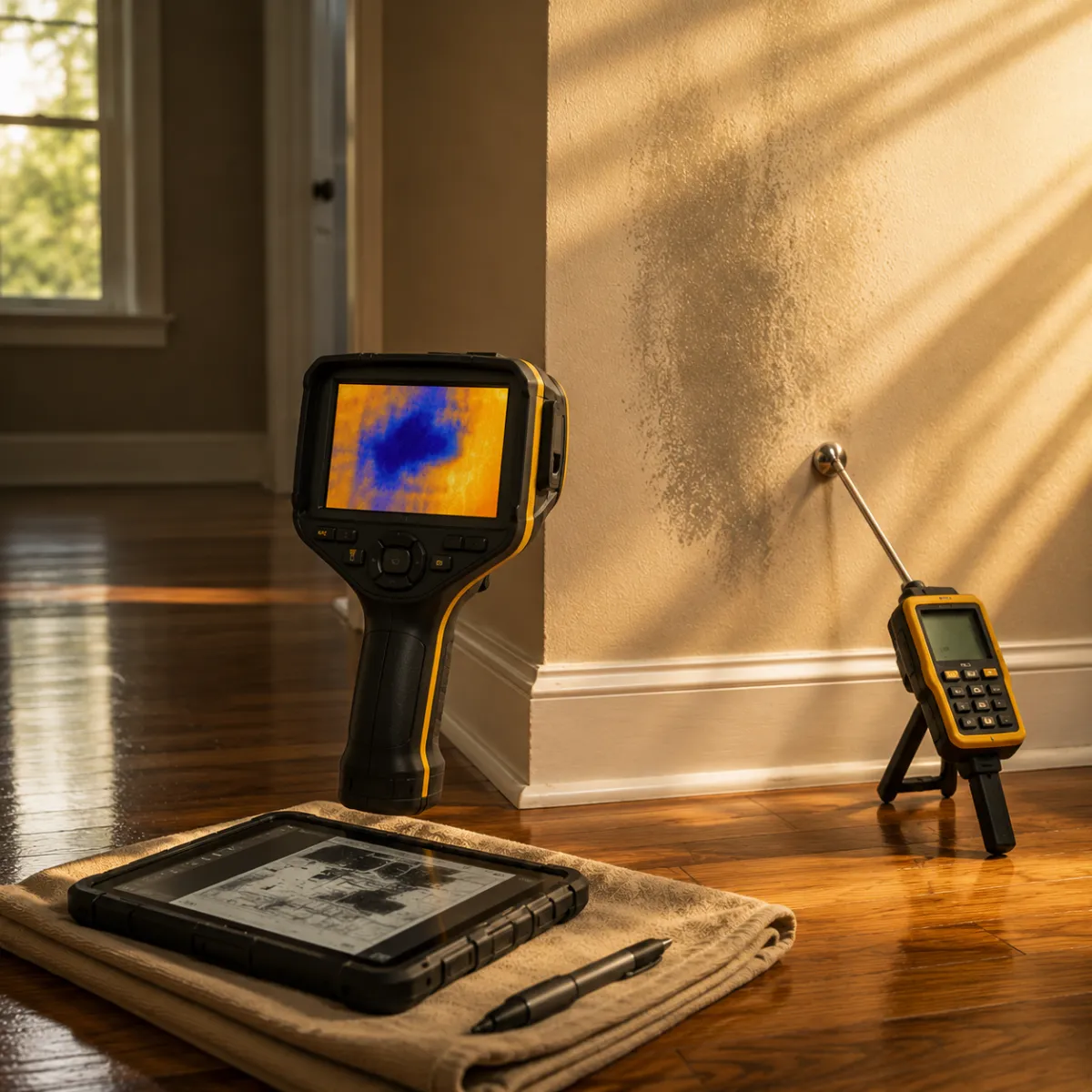
We use moisture meters and thermal imaging to find absorbed water inside walls, under cabinets, and beneath flooring, so no wet pocket is missed.
Carpet and Padding Water Removal
We extract water trapped in carpet and padding, and pull back or remove padding when it holds too much water to save.
Water Category Assessment
We identify whether the water is clean, gray, or contaminated black water, and handle each with the right safety and sanitizing steps.
Material Water Removal
We remove water absorbed into baseboards, cabinet bases, and building materials before it causes swelling, warping, and mold.
Our Process
Our Long Beach Water Removal Process

Inspection and Water Mapping
We locate all the water, both the standing water and the moisture absorbed into materials, using meters and thermal imaging.

Standing Water Extraction
We remove pooled water fast with extractors and pumps, clearing the surface before deeper damage sets in.

Absorbed Water Removal
We remove water trapped in carpet, padding, cabinets, and building materials, reaching the moisture extraction alone leaves behind.

Handoff to Drying
Once the water is removed, we set up structural drying to pull out the last of the moisture from the building.
F.A.Q
Water Removal FAQ
Here are answers to common questions about our restoration services.
What is the difference between water removal and water extraction?
Water extraction is the urgent removal of standing water, the emergency first step. Water removal is the more complete process that also finds and removes water absorbed into carpet, cabinets, and building materials. Both are early phases of water damage restoration in Long Beach.
How do you remove water you cannot see?
We find hidden water with moisture meters and thermal imaging, which detect moisture absorbed inside walls, under flooring, and behind cabinets. Our Long Beach crews then remove that trapped water before it causes swelling, warping, and mold.
Can carpet and padding be saved after water damage?
Carpet can often be saved if water is removed fast, but padding that has absorbed too much water is usually removed and replaced. Our Long Beach crews extract the water, then assess what can be dried and kept versus what must be replaced.
How fast should water be removed after a leak in Long Beach?
Water should be removed within hours, because absorbed moisture spreads through materials and mold begins growing within 24 to 48 hours. Our Long Beach crews dispatch the moment you call to remove both standing and hidden water fast.
Do you remove contaminated water?
Yes. We identify whether water is clean, gray, or contaminated black water, then remove it with the right safety handling and sanitizing for each category. Contaminated water in Long Beach is treated as a health risk, not just a cleanup.
Does insurance cover water removal in Long Beach?
Water removal is covered under most standard homeowners policies when it follows a sudden covered loss like a burst pipe or appliance failure, and we bill every major carrier directly and document the work for your claim.
Contact Us Now
Office Location
15725 Texaco Avenue, Paramount California 90723
Office Info
+1 562-313-6900
Family owned emergency restoration headquartered in Paramount, California. Our IICRC certified crews respond 24/7 across Long Beach and the surrounding South LA, South Bay, and North Orange County communities for water, fire, mold, and biohazard emergencies. Built on integrity, honor, and commitment since 2020


© 2026 What's Next Emergency Response - All Rights Reserved.