
24/7 Rapid rEsponse
long beach + surrounding areas
Soot Removal in Long Beach, CA
Professional soot cleanup for Long Beach homes and businesses, safely removing the acidic, oily residue that fire and smoke leave on walls, ceilings, and surfaces.
IICRC CERTIFIED TECHNICIANS
FAMILY OWNED
24/7 EMERGENCY RESPONSE
DIRECT INSURANCE BILLING
Tell Us What Happend
Fill out our form and a real person from our Long Beach dispatch will call you back inside the hour. If your situation is active right now,
calling (562) 313-6900 directly is faster a certified crew can be on the way the same call. Either path gets you the same documented response.
ABOUT soot removal
Professional Soot Cleanup for Long Beach Properties
Soot is not ordinary dirt, and cleaning it the wrong way makes the damage worse. The fine black residue left by fire and smoke is oily and acidic, so wiping it with a household cloth smears it deeper into surfaces and can set stains permanently. Soot also keeps damaging what it lands on, etching into walls, ceilings, and belongings the longer it sits. What's Next Emergency Response provides professional soot removal across Long Beach, using the correct method for each surface and each type of soot. Soot removal is part of our full Fire Damage Restoration and works alongside our smoke damage restoration service. This page focuses on removing soot residue safely.
SOOT ACIDIFIES IN DAYS. DON'T WAIT.
Standing Water Waits for Nothing.
what's included
What Our Long Beach Soot Removal Covers
Removing soot correctly depends on the surface and the type of residue. Here is what our Long Beach crews do.
Soot Type Assessment
We identify the type of soot, whether dry, oily, or protein based, because each type clings differently and needs a different cleaning method.
Surface Specific Cleaning
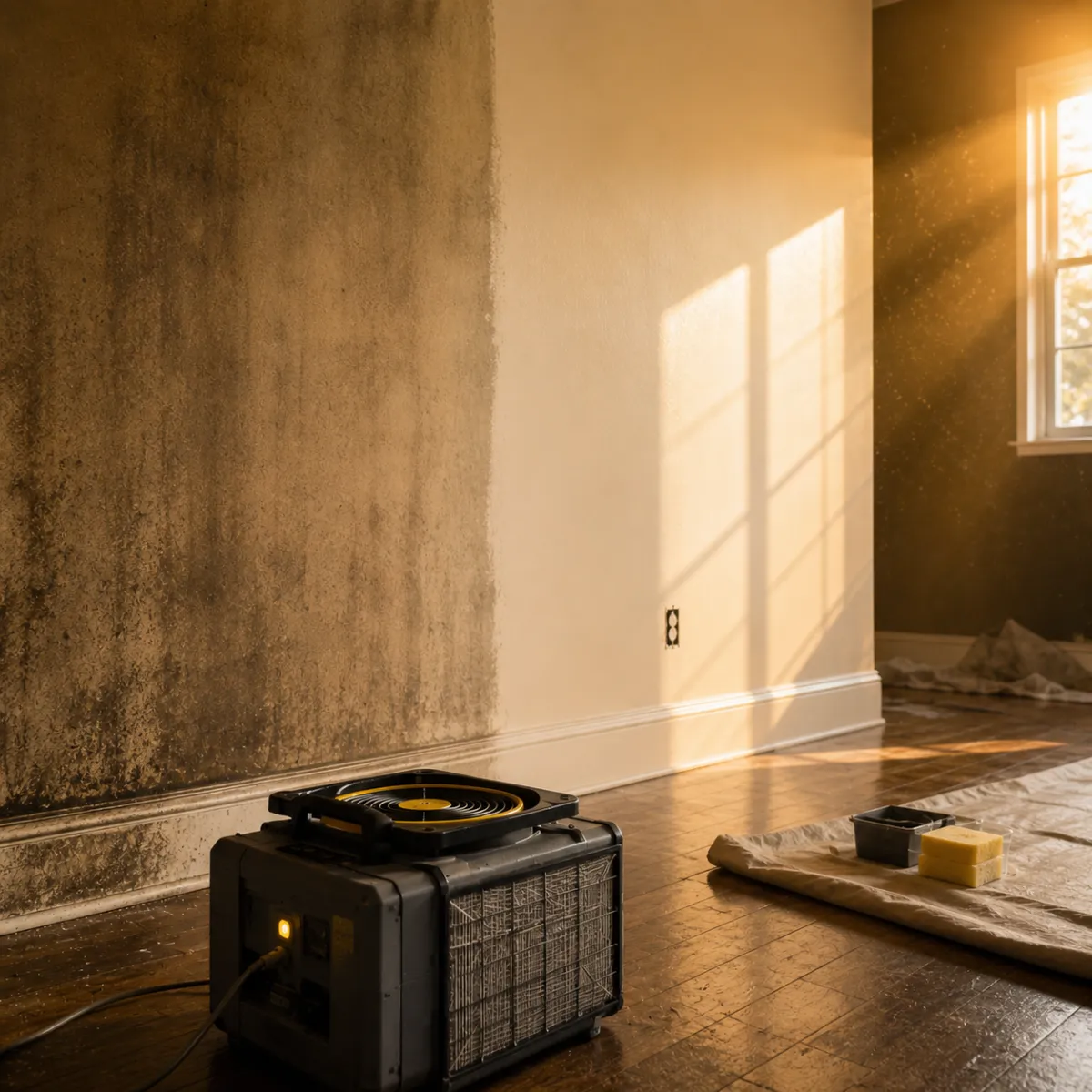
We clean soot from walls, ceilings, and hard surfaces using the right method for each material, so residue is lifted rather than smeared or set.
Dry Soot Removal
We use dry cleaning methods and specialized sponges to lift loose soot first, before any wet cleaning, which prevents smearing.
Content and Belonging Cleanup
We remove soot from furniture, fixtures, and belongings, saving what can be cleaned and documenting what cannot.
Residue and Film Removal
We remove the oily film soot leaves behind, which holds odor and continues to stain if it is not fully cleaned.
Our Process
Our Long Beach Soot Removal Process

Assessment
We inspect the affected surfaces, identify the soot type, and plan the cleaning method for each material before we begin.

Dry Soot Removal First
We lift loose, dry soot with dry sponges and specialized tools, because starting with wet cleaning smears soot and sets it into the surface.

Surface Cleaning
We clean the remaining residue with the correct products for each material, removing the oily film that soot leaves behind.

Final Treatment
We confirm surfaces are free of soot and residue, then address any lingering odor as part of the cleanup.
F.A.Q
Soot Removal FAQ
Here are answers to common questions about our restoration services.
Can I clean soot off walls myself?
Cleaning soot yourself often makes it worse, because soot is oily and smears deeper into surfaces when wiped with a household cloth. Our Long Beach crews lift soot with dry methods first, then clean the residue with the right products for each material.
Why is soot dangerous to leave on surfaces?
Soot is acidic and oily, so it keeps etching into walls, ceilings, and belongings the longer it sits, setting stains permanently and holding odor. Our Long Beach crews remove it promptly to stop the ongoing damage.
How do you remove soot without smearing it?
We start with dry soot removal, using dry sponges and specialized tools to lift loose residue before any wet cleaning. Wet cleaning first smears soot into the surface, so our Long Beach crews always dry clean first.
What are the different types of soot?
Soot is generally dry, oily, or protein based, and each type clings and cleans differently. Our Long Beach crews identify the soot type first, because using the wrong method can set the residue instead of removing it.
Can soot damage be removed from furniture and belongings?
Yes. Soot settles into furniture, fixtures, and belongings, where it stains and holds odor. Our Long Beach crews clean soot from contents that can be saved and document anything too damaged to restore for your insurance claim.
Does insurance cover soot removal in Long Beach?
Soot removal is covered under most standard homeowners and commercial property policies when it results from a covered fire or smoke event, and we bill every major carrier directly. We document the soot damage in the format adjusters require for your Long Beach claim.
Contact Us Now
Office Location
15725 Texaco Avenue, Paramount California 90723
Office Info
+1 562-313-6900
Family owned emergency restoration headquartered in Paramount, California. Our IICRC certified crews respond 24/7 across Long Beach and the surrounding South LA, South Bay, and North Orange County communities for water, fire, mold, and biohazard emergencies. Built on integrity, honor, and commitment since 2020


© 2026 What's Next Emergency Response - All Rights Reserved.