24/7 Rapid rEsponse
long beach + surrounding areas
Smoke Odor Removal in Long Beach, CA
Specialized smoke odor removal for Long Beach homes and businesses, using thermal fogging, hydroxyl, and ozone treatment to eliminate odor trapped deep in a property.
IICRC CERTIFIED TECHNICIANS
FAMILY OWNED
24/7 EMERGENCY RESPONSE
DIRECT INSURANCE BILLING
Tell Us What Happend
Fill out our form and a real person from our Long Beach dispatch will call you back inside the hour. If your situation is active right now,
calling (562) 313-6900 directly is faster a certified crew can be on the way the same call. Either path gets you the same documented response.
ABOUT smoke odor removal
Deep Smoke Odor Removal for Long Beach Properties
Smoke odor is one of the hardest things to remove from a property, because it works into porous materials, wall cavities, insulation, and air systems where surface cleaning cannot reach. Even after soot is cleaned and surfaces look normal, the smell can linger for weeks or return on humid days. What's Next Emergency Response provides specialized smoke odor removal across Long Beach, using professional deodorizing methods that neutralize odor at the molecular level rather than covering it. Smoke odor removal is part of our full Smoke Damage Restoration and Fire Damage Restoration services. This page focuses specifically on the equipment and methods that remove deep smoke odor.
WE NEUTRALIZE. WE DON'T MASK.
Standing Water Waits for Nothing.
what's included
What Our Long Beach Smoke Odor Removal Covers
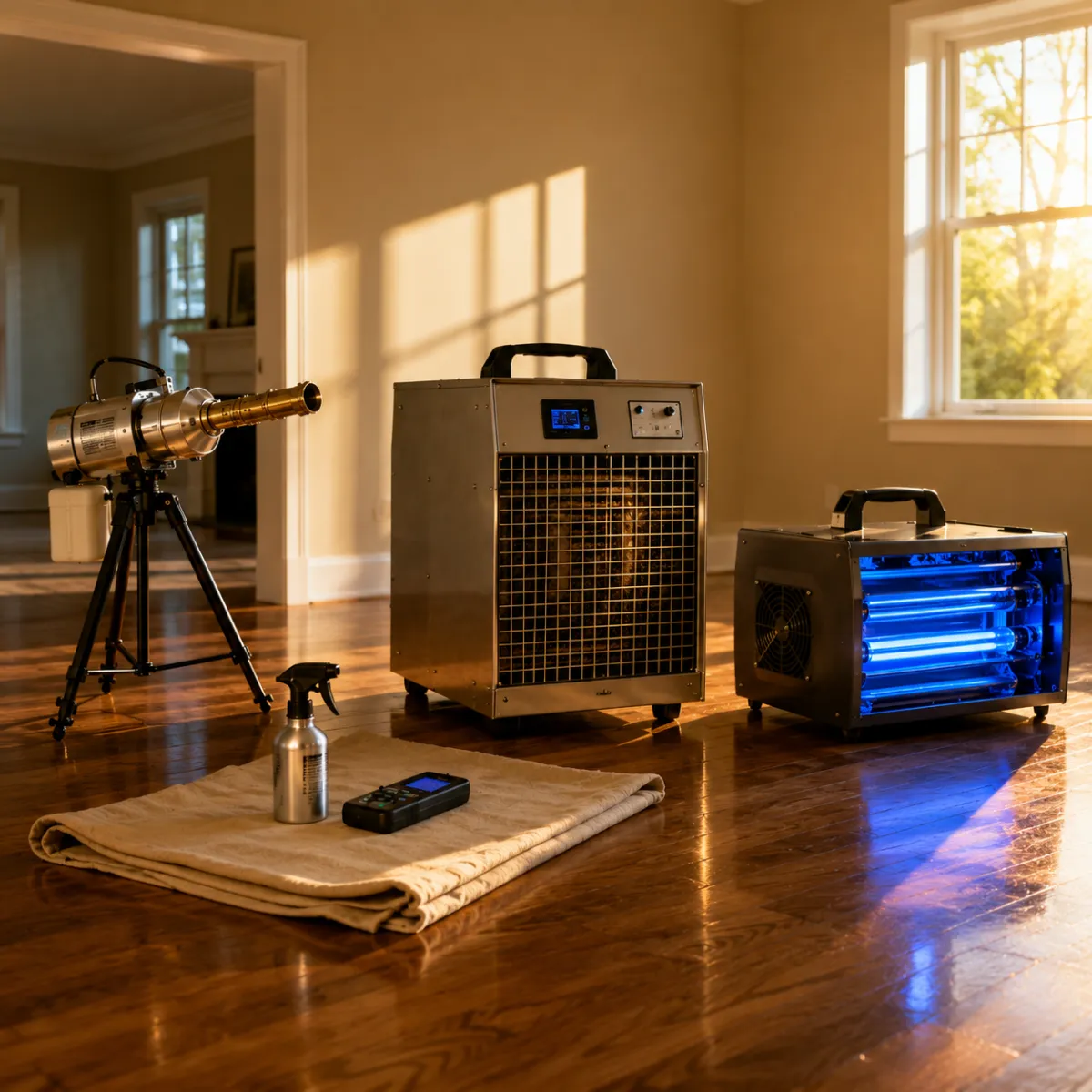
Deep odor removal relies on professional methods that reach where cleaning cannot. Here is what our Long Beach crews use.
Thermal Fogging
We use thermal fogging to send a deodorizing fog into the same pores and cracks the smoke traveled through, neutralizing odor where it settled.
Hydroxyl and Ozone Treatment
We use hydroxyl generators and ozone treatment to break down odor molecules in the air and on surfaces, eliminating the smell rather than masking it.
Air Duct and HVAC Deodorizing
We treat air ducts and HVAC systems, which circulate and hold smoke odor throughout a property if left untreated.
Content and Fabric Deodorizing
We deodorize furniture, fabrics, and belongings that absorb and hold smoke odor long after surfaces are clean.
Air Filtration
We run air scrubbers to clear remaining smoke particles from the air, restoring a clean, odor free space.
Our Process
Our Long Beach Smoke Odor Removal Process

Odor Source Assessment
We identify where the smoke odor is coming from and how deep it has penetrated, including walls, ducts, and contents.

Surface and Residue Cleaning
We remove any remaining soot and residue first, since odor cannot be fully treated while the source material is still present.

Deodorizing Treatment
We apply the right method, thermal fogging, hydroxyl, or ozone treatment, based on the materials and how deep the odor has set.

Verification
We confirm the odor is gone rather than temporarily masked, treating again if any smell remains.
F.A.Q
Smoke Odor Removal FAQ
Here are answers to common questions about our restoration services.
How do professionals remove smoke odor permanently?
Professionals remove smoke odor with methods like thermal fogging, hydroxyl generators, and ozone treatment that neutralize odor molecules at the source. Our Long Beach crews treat walls, ducts, and contents where the odor settled, so it does not return rather than being masked.
What is thermal fogging for smoke odor?
Thermal fogging sends a heated deodorizing fog into the same pores and cracks the original smoke traveled through, reaching odor that surface cleaning cannot. Our Long Beach crews use it to neutralize smoke odor deep inside materials.
Why does smoke smell come back on humid days?
Smoke odor returns on humid days because moisture reactivates odor molecules trapped in porous materials. Our Long Beach crews treat the odor at the molecular level with professional deodorizing, so humidity does not bring the smell back.
Does ozone treatment remove smoke odor?
Yes. Ozone treatment breaks down smoke odor molecules in the air and on surfaces, eliminating the smell rather than covering it. Our Long Beach crews use ozone and hydroxyl treatment in unoccupied spaces as part of complete smoke odor removal.
Can you remove smoke odor from air ducts in Long Beach?
Yes. Air ducts and HVAC systems hold and circulate smoke odor throughout a property. Our Long Beach crews deodorize the duct system as part of odor removal, since treating only the rooms leaves the odor source in the air handling system.
Does insurance cover smoke odor removal in Long Beach?
Smoke odor removal is covered under most standard homeowners and commercial policies when it results from a covered fire or smoke event, and we bill every major carrier directly. We document the work in the format adjusters require for your Long Beach claim.
Contact Us Now
Office Location
15725 Texaco Avenue, Paramount California 90723
Office Info
+1 562-313-6900
Family owned emergency restoration headquartered in Paramount, California. Our IICRC certified crews respond 24/7 across Long Beach and the surrounding South LA, South Bay, and North Orange County communities for water, fire, mold, and biohazard emergencies. Built on integrity, honor, and commitment since 2020


© 2026 What's Next Emergency Response - All Rights Reserved.